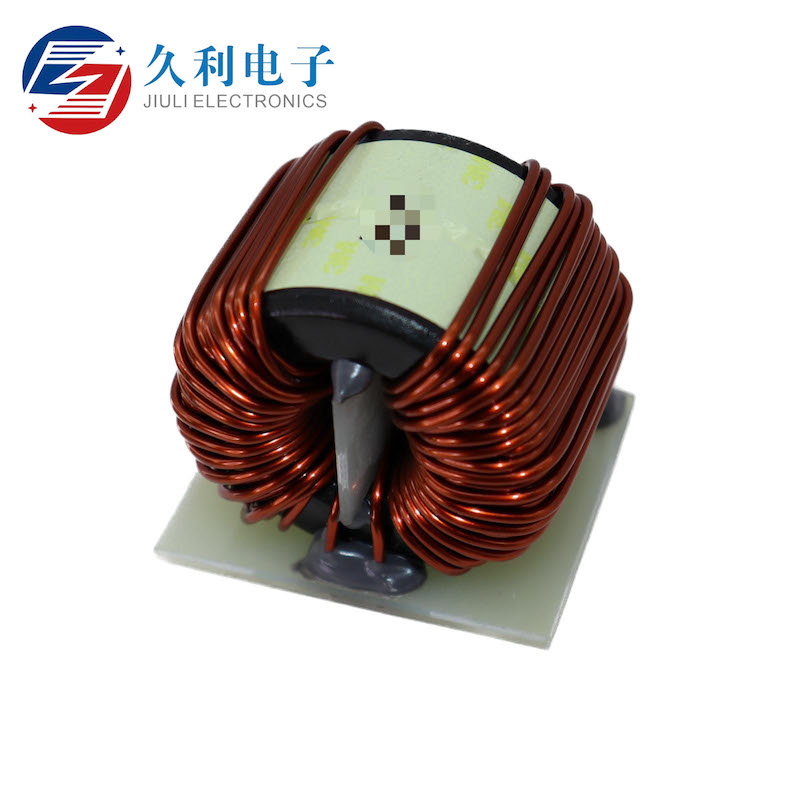
High-frequency transformers always get hot?
When developing new energy charging piles and debugging 5G base station power supplies, traditional Electronic Transformers become "hot potatoes" once they encounter high-frequency working conditions. High-frequency Transformers not only cause serious heat generation due to large hysteresis losses, but also cause the efficiency of Switching Power Supply Transformers to plummet. The equipment hums when running, and the stability is worrying. The technician sighed helplessly: "Not long after it was started, the temperature of the transformer soared. I am afraid that it will go on strike one day!"
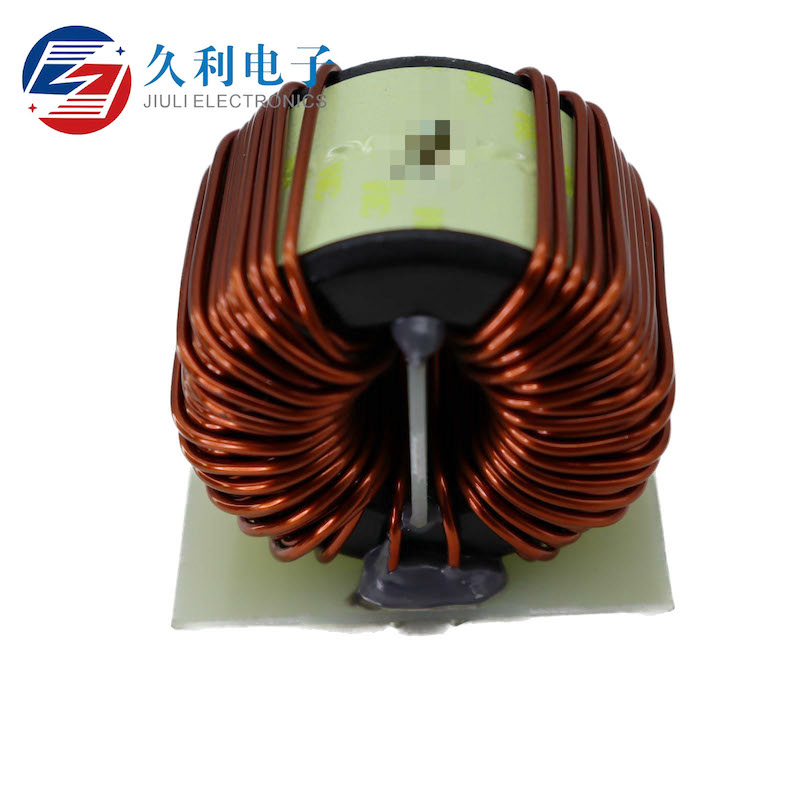
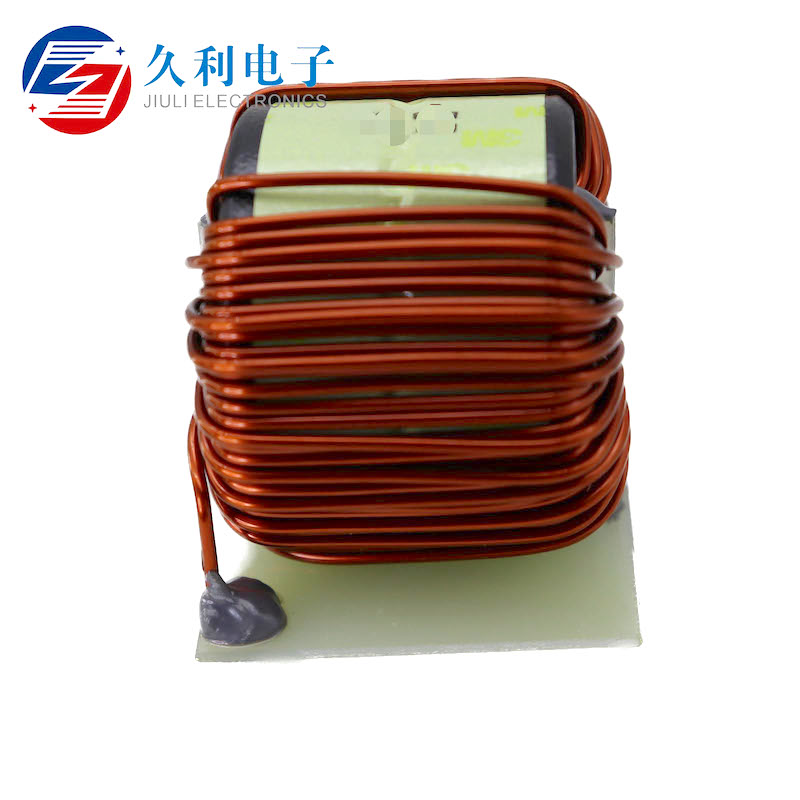
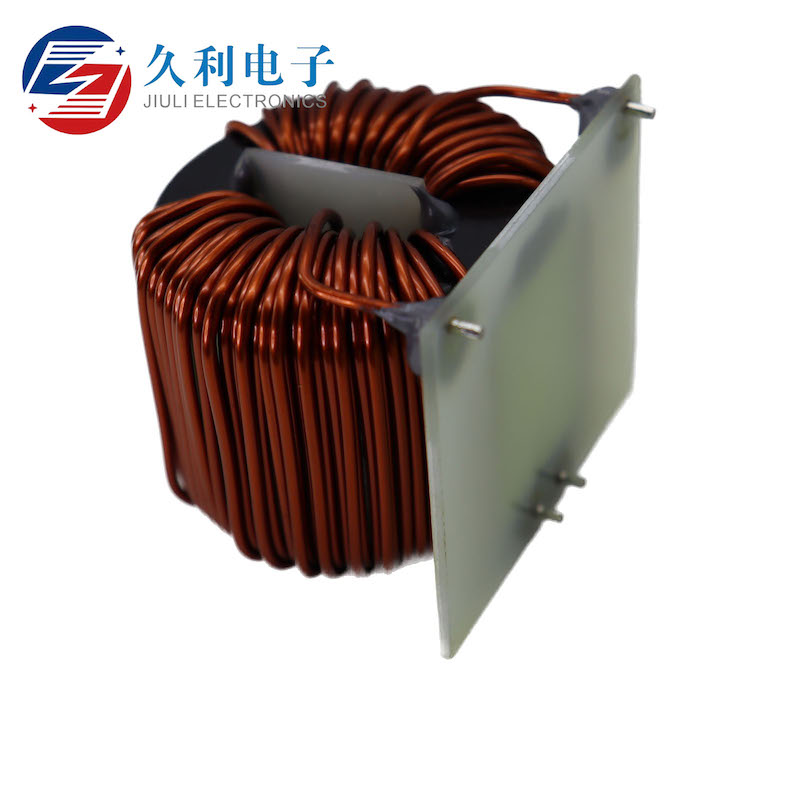
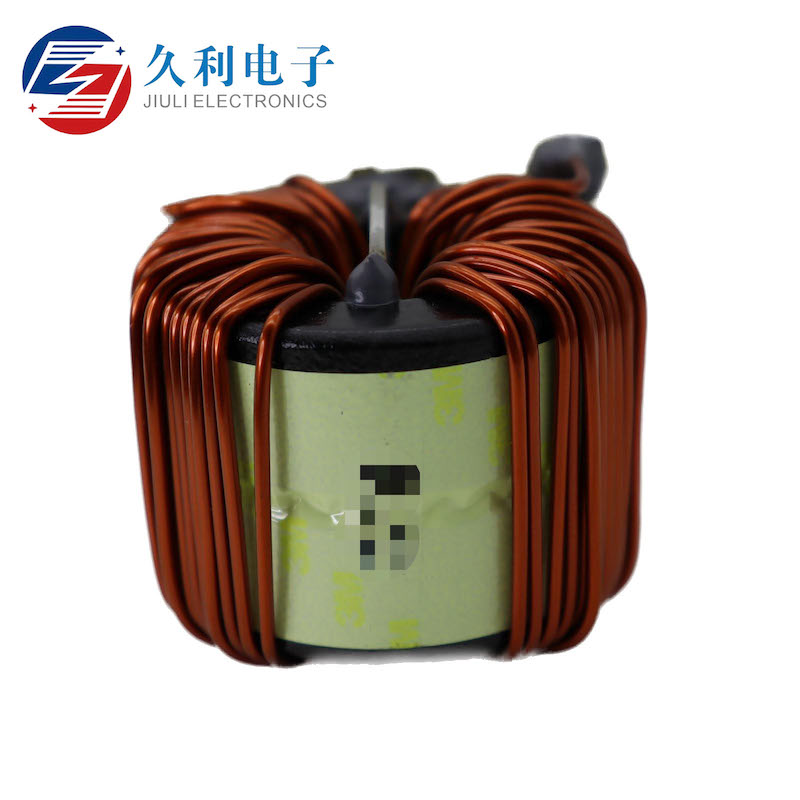
Our newly upgraded high-frequency transformers are efficient and calm "power housekeepers"! The breakthrough use of amorphous alloy cores has a magnetic resistance of only 1/5 of that of conventional materials, and the loss is greatly reduced under high-frequency operation; the innovative three-dimensional stacking winding process makes the winding distribution more uniform and reduces electromagnetic interference. The built-in smart chip monitors the operating status in real time, and adjusts the output parameters immediately once abnormal temperature rise or current fluctuations are found. In actual applications, the operating efficiency of equipment equipped with this transformer has been increased to 95%, and the surface temperature remains at around 50°C after 8 hours of continuous work, and the failure rate has been reduced by 80%.
Three innovative features
① Amorphous alloy core: low magnetic permeability, high saturation magnetic induction intensity, reducing magnetic loss from the root;
② Three-dimensional winding process: three-dimensional winding layout, optimizing magnetic field distribution, and improving power conversion efficiency;
③ Intelligent monitoring system: integrated sensors and algorithms to achieve fault prediction and self-adjustment.
Professional maintenance tips
1. Vibration detection: use a stethoscope to monitor the transformer running noise every week, and abnormal sounds need to check for loose windings;
2. Insulation maintenance: use an insulation resistance tester to detect the insulation value of the winding every quarter, and handle it in time if it is lower than the standard value;
3. Environmental adaptation: install a moisture-proof box in a high humidity environment, and install a dust filter in a dusty place.