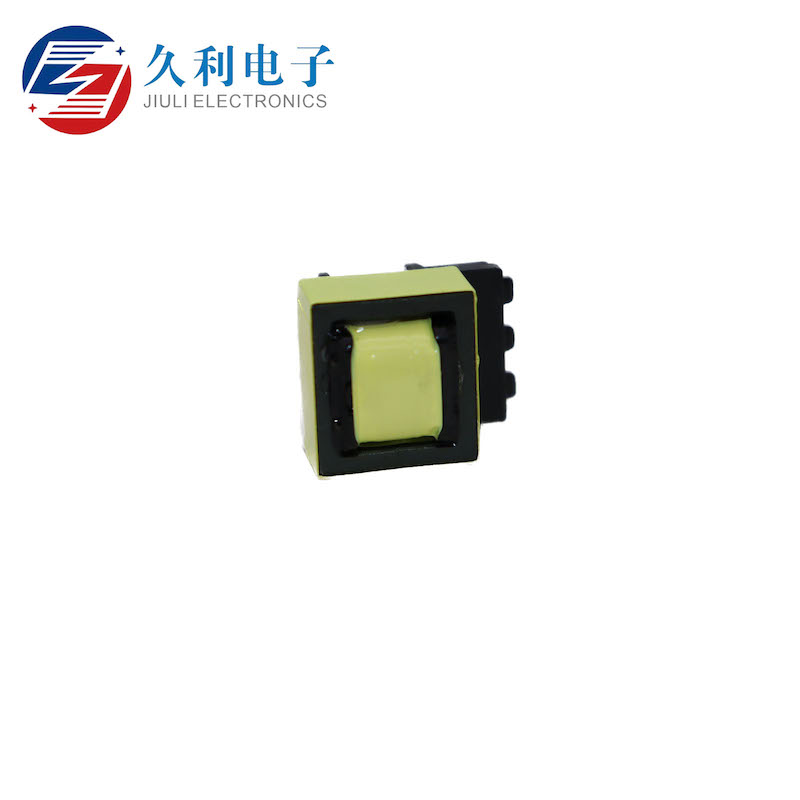
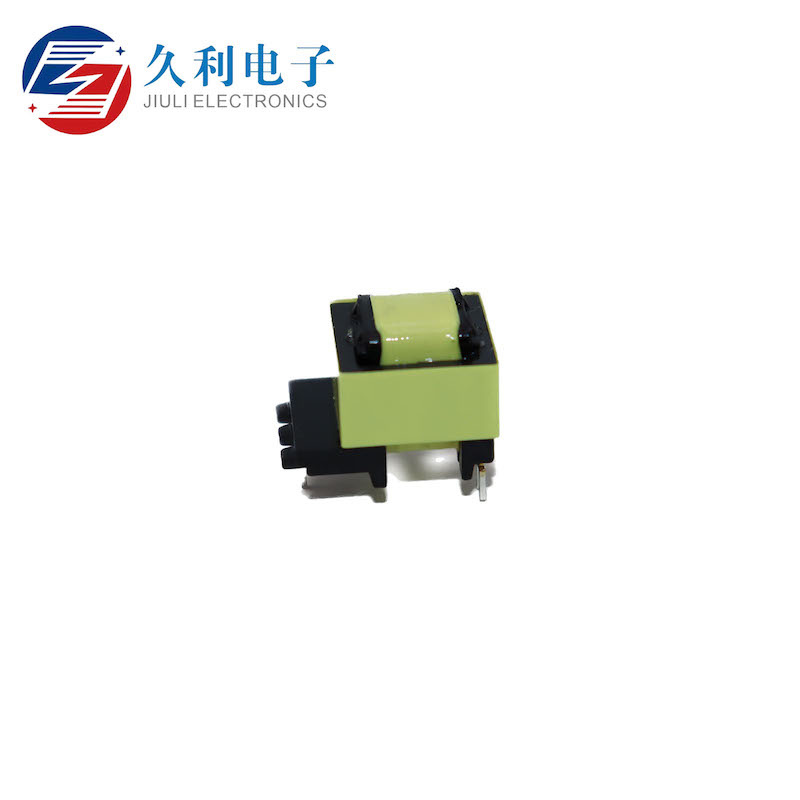
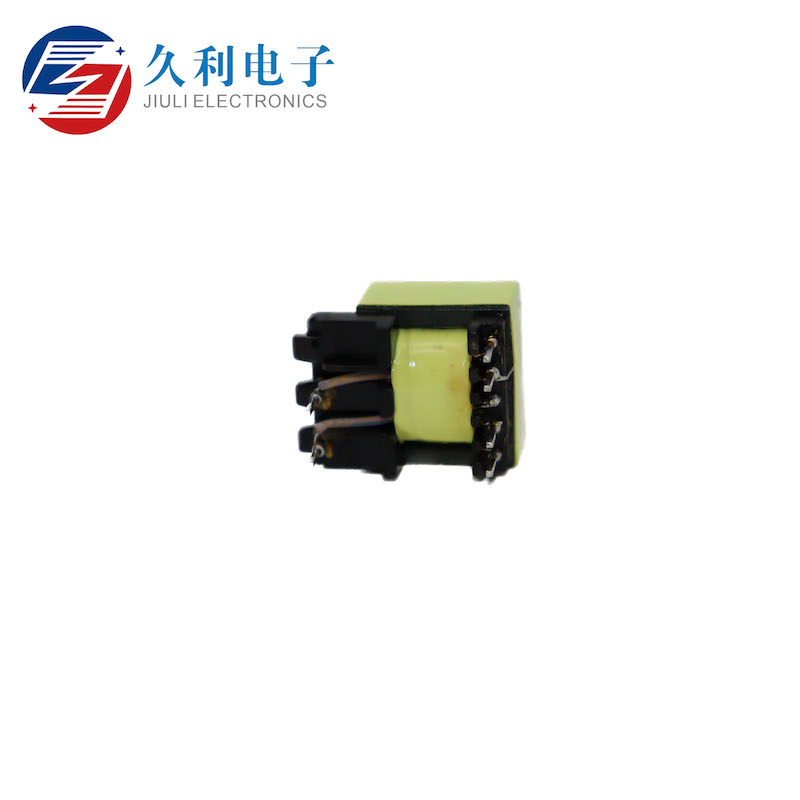
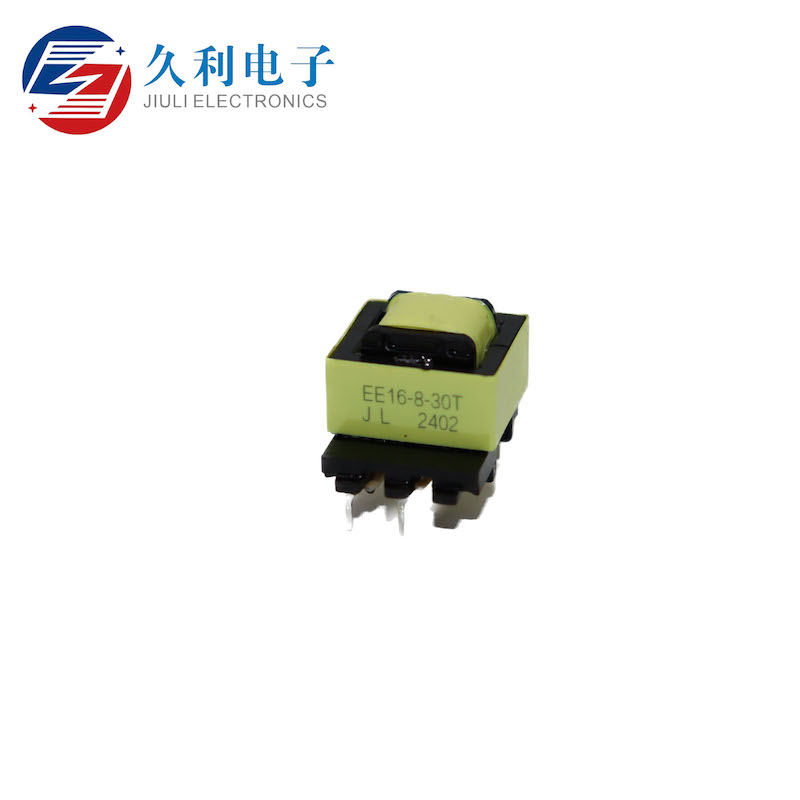
High-frequency transformers are inefficient?
In the fields of switching power supplies, new energy equipment, etc., traditional Electronic Transformers often suffer from large core losses, which leads to a sharp drop in efficiency of High-frequency Transformers under high-frequency conditions, and also causes problems such as severe heating and poor stability in Switching Power Supply Transformers. Engineers complained: "The equipment has been running for less than two hours, and the transformer is so hot that you can't even touch it. The low efficiency has stalled the project progress!"
Our high-frequency transformer solution breaks through the performance bottleneck with "nano core + intelligent temperature control"! Using ultra-thin nanocrystalline core materials, high-frequency losses are reduced by 60% compared to traditional ferrites; the original spiral winding structure, combined with low-resistance copper foil wires, reduces skin effect losses. The built-in temperature sensor and fan linkage system automatically start heat dissipation when the temperature rise exceeds 60°C, ensuring that the transformer operates stably at a high frequency of 500kHz. Actual measured data shows that the efficiency of the transformer in the switching power supply is increased to 96%, the temperature rise is controlled within 45°C, and the energy consumption is reduced by 35% compared to traditional solutions.
Three core advantages
① Nanocrystalline core technology: magnetic permeability reaches 800,000, and hysteresis loss is close to zero at high frequency;
② Spiral winding design: distributed inductance structure, reducing leakage inductance by 30%, suppressing peak voltage;
③ Intelligent temperature control system: dual temperature control probe + silent fan to achieve dynamic balance of heat loss.
Practical maintenance guide
1. Temperature rise monitoring: Use an infrared thermometer to detect the core temperature every day (normal ≤75℃);
2. Dust cleaning: Use compressed air to blow the winding gap every quarter to prevent dust accumulation from affecting heat dissipation;
3. Frequency calibration: Use an oscilloscope to detect the operating frequency every year, and debugging is required if the deviation exceeds ±5%.