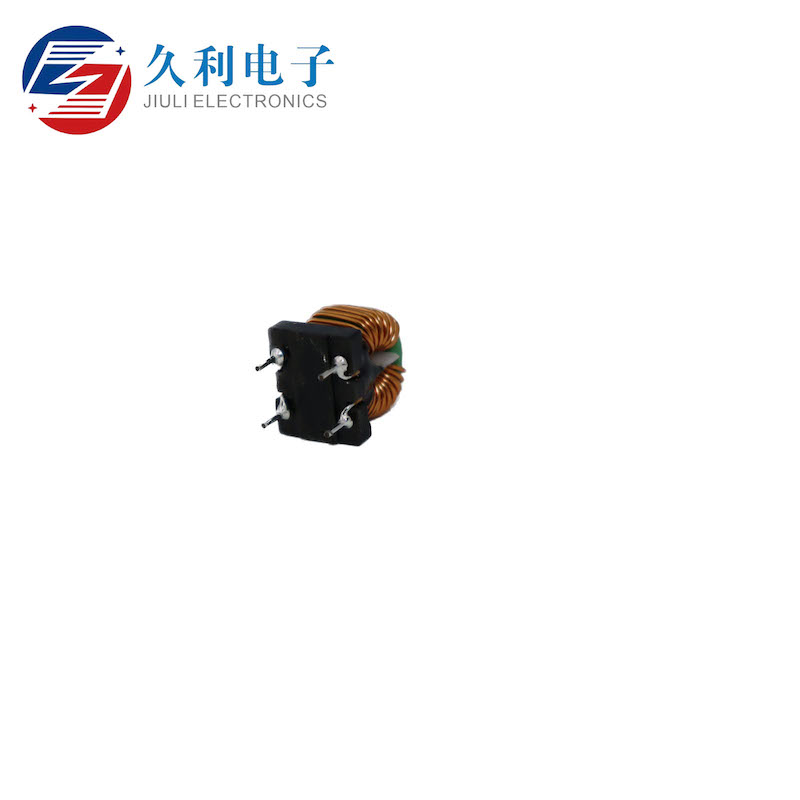
After years in procurement, what's the biggest fear? It's not failing to negotiate a price—it's receiving components on the production line only to have them fail EMC testing. Customers pressure you, R&D blames you, and management stares you down. In the end, it turns out the culprit is the common-mode inductor—unstable batches, poor high-frequency performance, excessive temperature rise... Simply put, the inductor just isn't reliable.
To put it simply, this is a standard component for switch-mode power supplies—especially crucial for those working with electronic transformers, high-frequency transformers, and switching power supply transformers. Once the frequency increases, even slight deviations in parasitic parameters can cause the circuit to behave erratically. High installation noise and excessive radiation result in endless adjustments, wasting both time and prototyping costs.
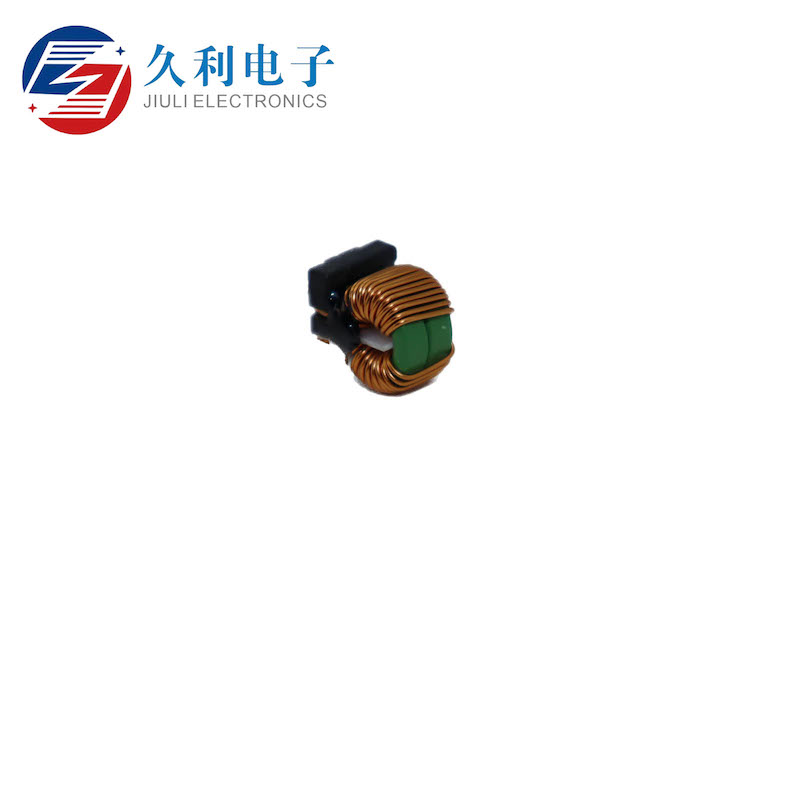
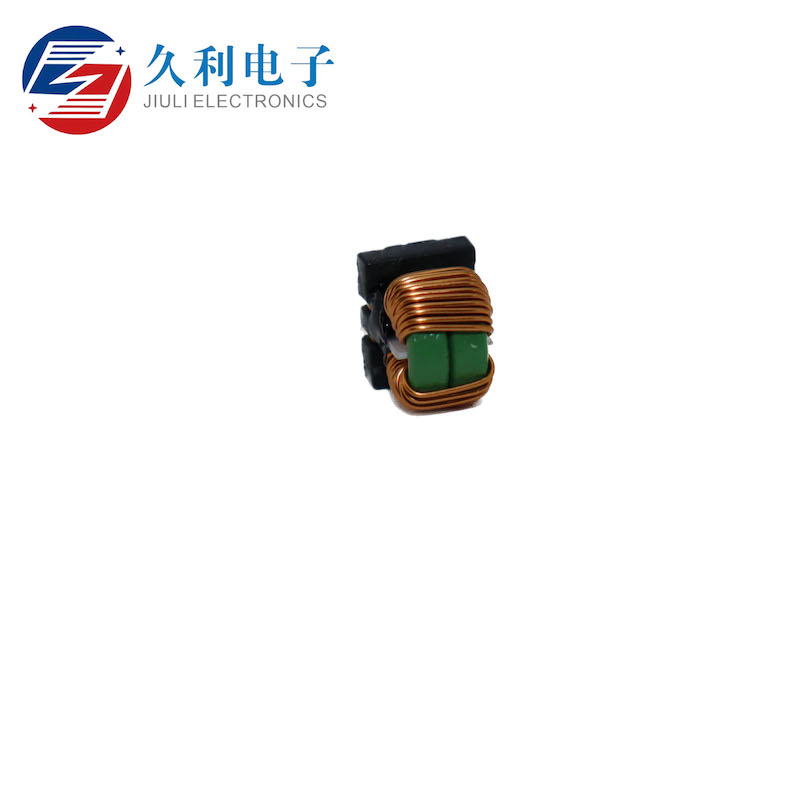
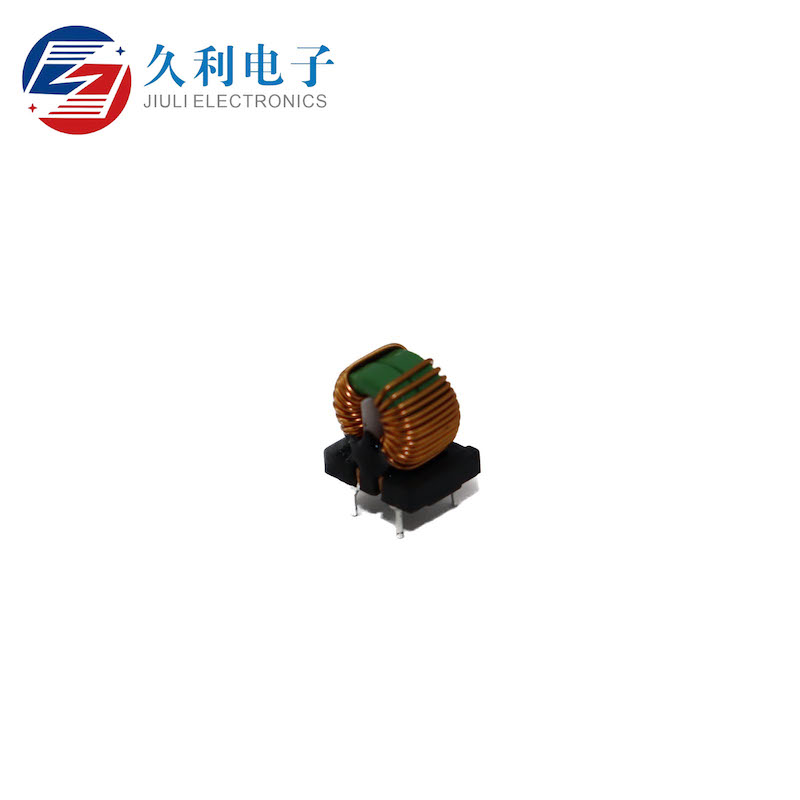
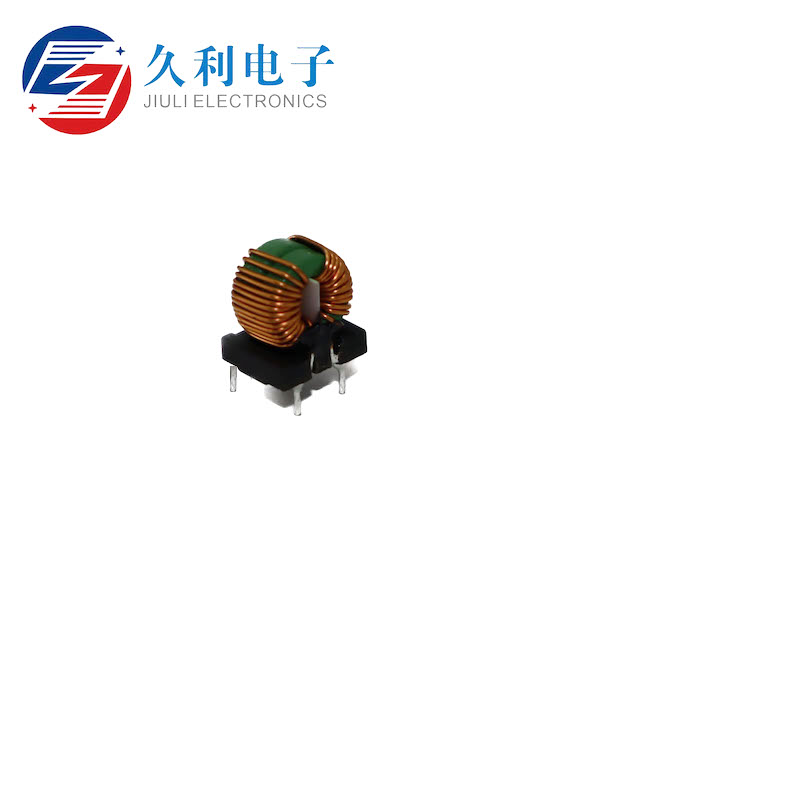
After trying several options, I finally settled on Jiu Li's T0903V-4MH. The result? Using the same 72W switching power supply transformer design, previously with another supplier, there were always ripples at 30MHz. But after switching to this one, we achieved Class B performance right away, and the batch yield jumped directly to 99.8%. The price wasn't much higher, but the peace of mind it brings is real.
What can it do? It works well as an LED driver, adapter, or industrial power supply. Especially for electronic transformers, inter-turn breakdown is the biggest concern—this one has never failed under voltage stress. Those working with high-frequency transformers know that core loss is critical at high frequencies. The T0903V-4MH uses high-permeability nickel-zinc material, delivering exceptionally stable impedance characteristics from 100 kHz to 10 MHz.
Let me share my experience over the years:
First, batch consistency is truly stable. For part numbers spanning two years, the inductance tolerance does not exceed ±5%, eliminating the need to test every incoming shipment.
Second, the broadband impedance remains stable. From a few hundred kHz to tens of MHz, there has been no dip, and the noise suppression is quite clean.
Third, there is a safety margin for current handling and temperature rise. At the rated 4A current, the temperature rise reaches only 28°C when operating at 4.5A, making it significantly cooler than competing products of the same specification.
By the way, two small details:
This model has a 7.62 mm pitch, but the recommended pad hole diameter is 0.8 mm—don't cut corners by using 1.0 mm, as it may lead to cold solder joints.
When used for filtering on the secondary side of a high-frequency transformer, placing the inductor slightly farther from the MOSFET can further reduce noise by 2–3 dB.
Well, I might as well close my eyes and place the order now—saving that energy is better spent on a couple more cups of tea.