

Understanding Common Mode Chokes
In today's electronic world, the Common Mode Choke (CMC) plays a vital role in ensuring clean and reliable power delivery. A CMC is essentially an electromagnetic interference (EMI) suppression device, consisting of two identical coils wound on a shared magnetic core. When current flows in the same direction through both coils, their magnetic fields reinforce each other, creating a high impedance that effectively blocks common mode noise. Conversely, for differential mode currents where the directions are opposite, the magnetic fields cancel out, allowing normal signal transmission with minimal interference. This unique mechanism makes CMCs indispensable in various electronic circuits, such as power supplies and communication systems, where they help maintain signal integrity and comply with electromagnetic compatibility (EMC) standards.
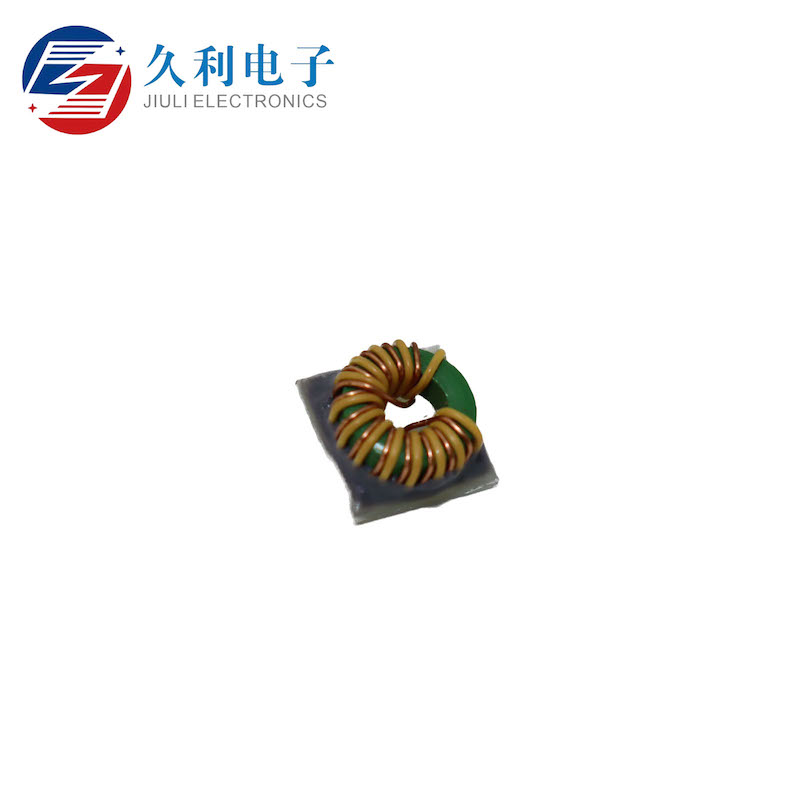
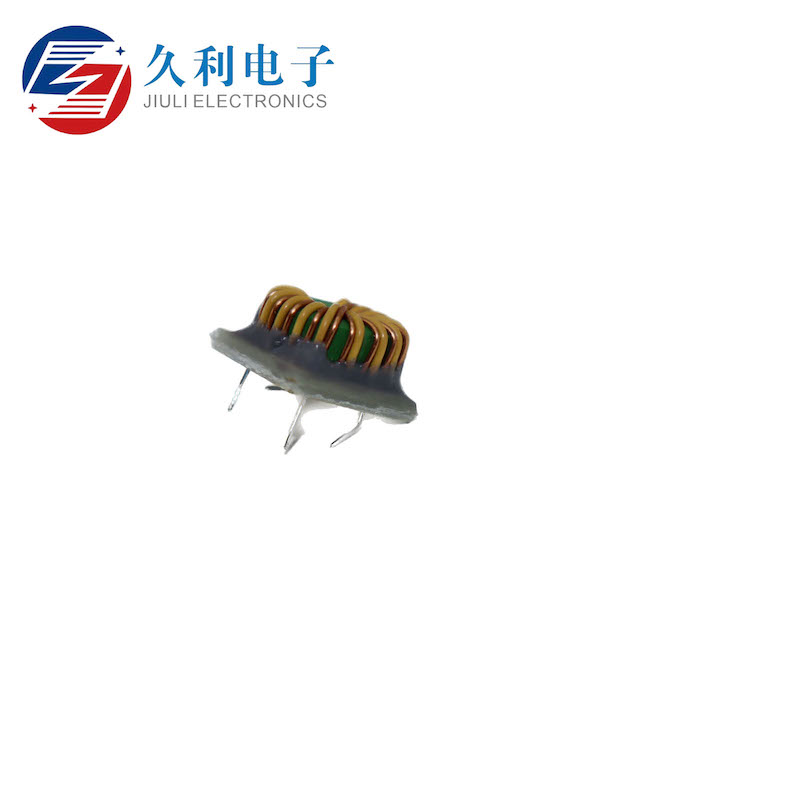
The applications of CMCs are extensive. In power supplies, they prevent EMI from propagating through power lines, protecting both the power supply and connected equipment. In communication circuits, CMCs mitigate interference that could otherwise disrupt data transmission. Additionally, they are crucial in industrial control systems, where stable and reliable operation is paramount. As electronic devices continue to advance, the demand for effective EMI suppression solutions like CMCs will only grow, driving ongoing innovation in their design and performance.