

Differential mode inductor and EMC
Differential mode inductor is widely used in the field of electronics, and the most common one is power line filtering. Secondly, it can also be used for signal line filtering to prevent signal distortion or loss and improve the quality of signal transmission. In addition, differential mode inductor can also be used for antenna filtering, analog signal filtering and other aspects.
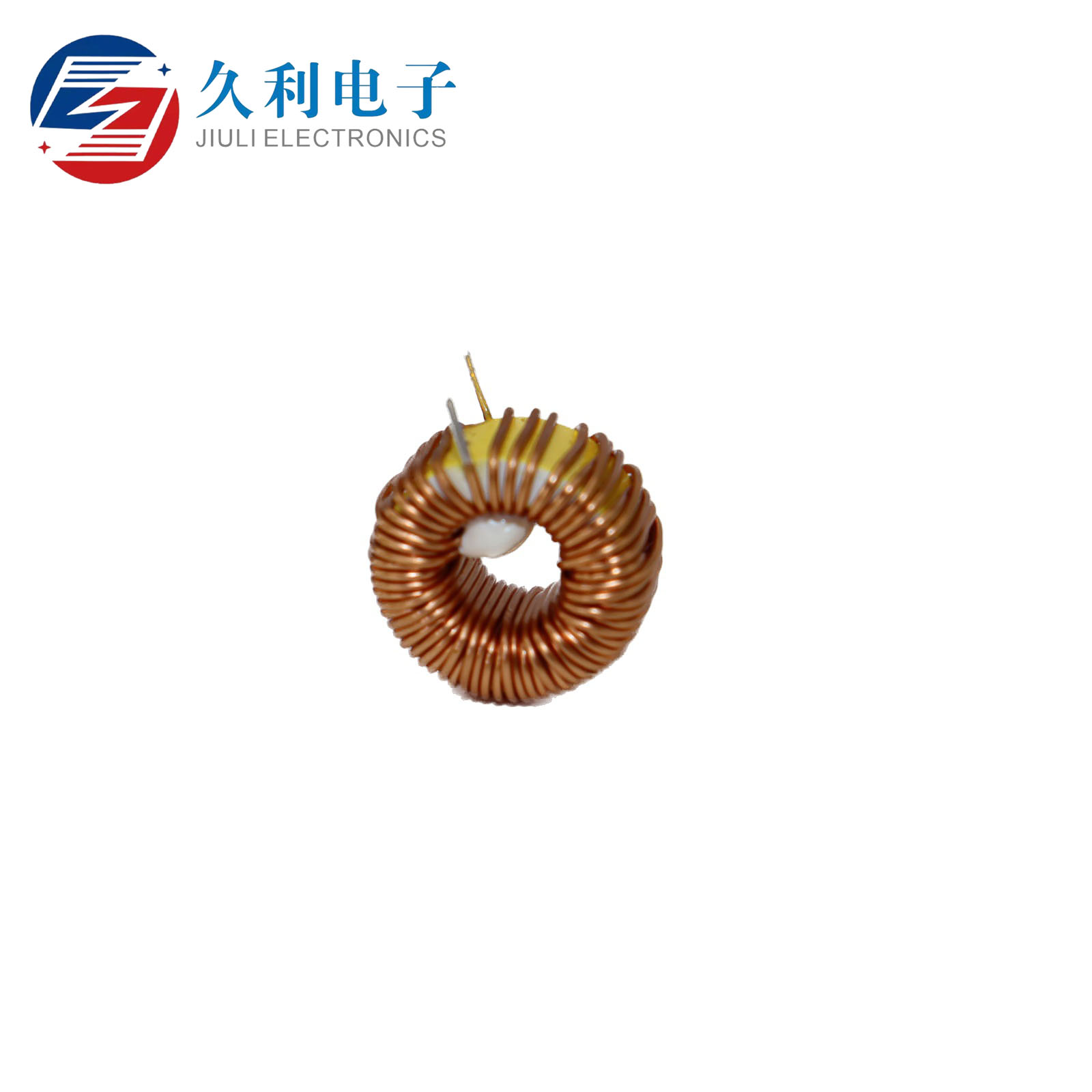
Taking power line filtering as an example, in small and medium power supply products, a differential mode inductor is often used to suppress the noise of the power supply from entering the power grid.
Especially in circuits with relatively high PF value requirements, the X capacitor cannot be too large, and the current ripple caused by the high-frequency switching of the switch tube cannot be removed well. At this time, the differential mode inductor can play a good role, filtering the circuit ripple and ensuring that the power input meets the conduction requirements.
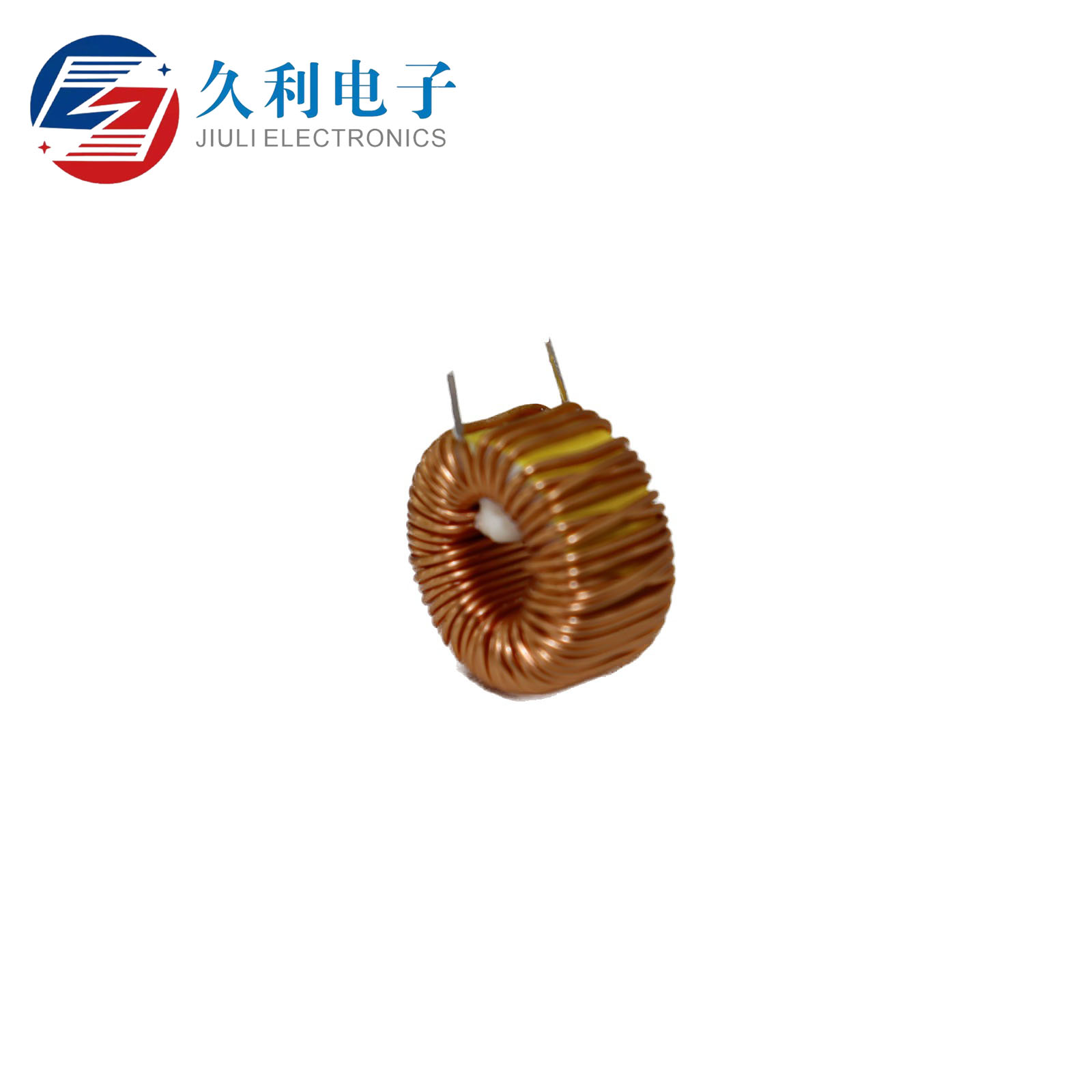
In high-power power supply products, as the load increases, the input impedance of the power supply decreases, and finally offsets the reactive impedance of the X capacitor, making the influence of the X capacitor on the PF value almost negligible.
Therefore, in high-power products, the X capacitor filtering can be fully utilized, and the differential mode inductance required at this time is not large. Sometimes, you can even use the leakage inductance of the common mode inductor in the EMC input filter circuit to replace the differential mode inductor, thereby reducing a differential mode inductor in the circuit.
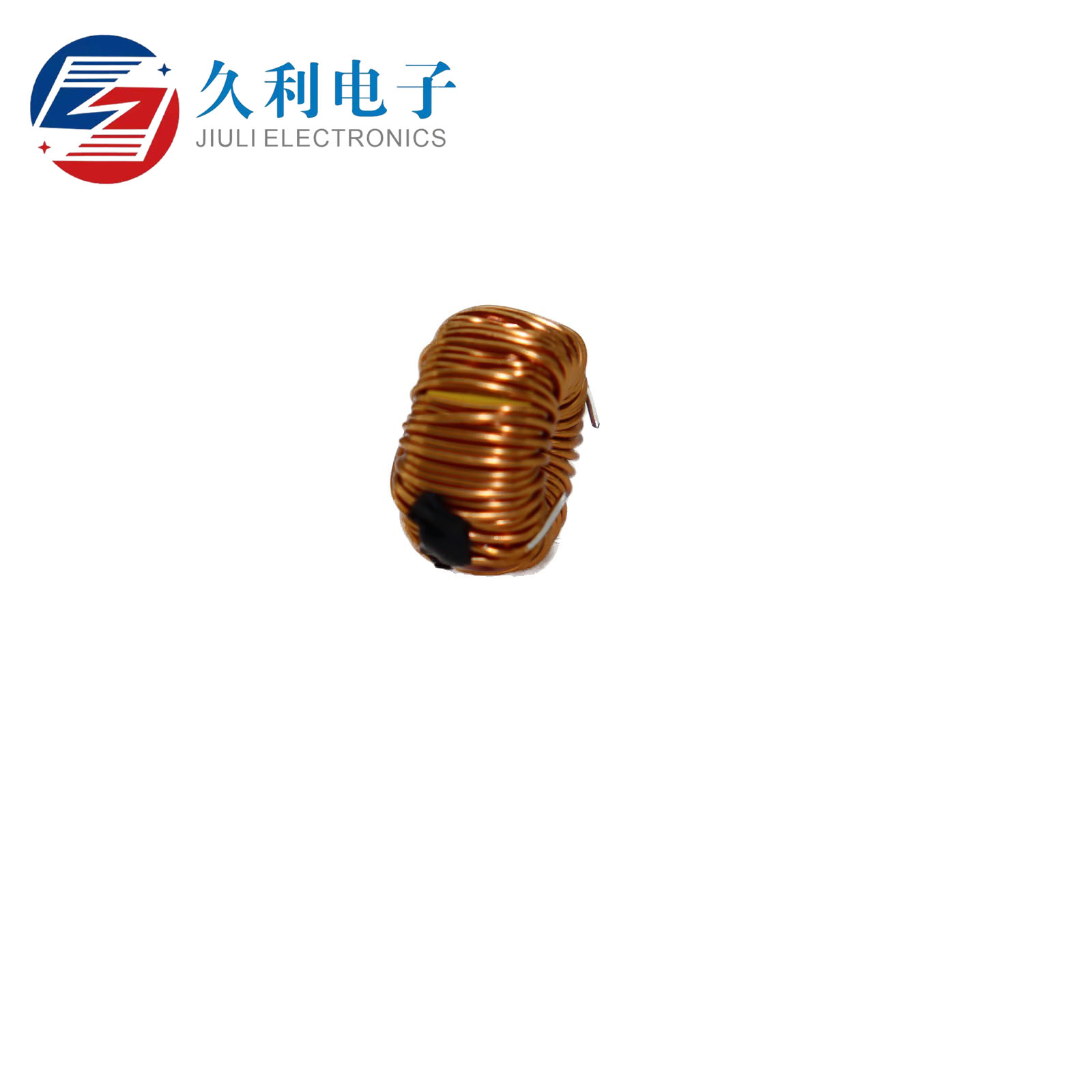
In the ideal common mode inductor model, the two windings enter and exit at the same time, the magnetic flux generated cancels each other, and the leakage inductance is 0. However, in actual winding, the two windings cannot be exactly the same, so there is leakage inductance, which can be used to replace the differential mode inductor.
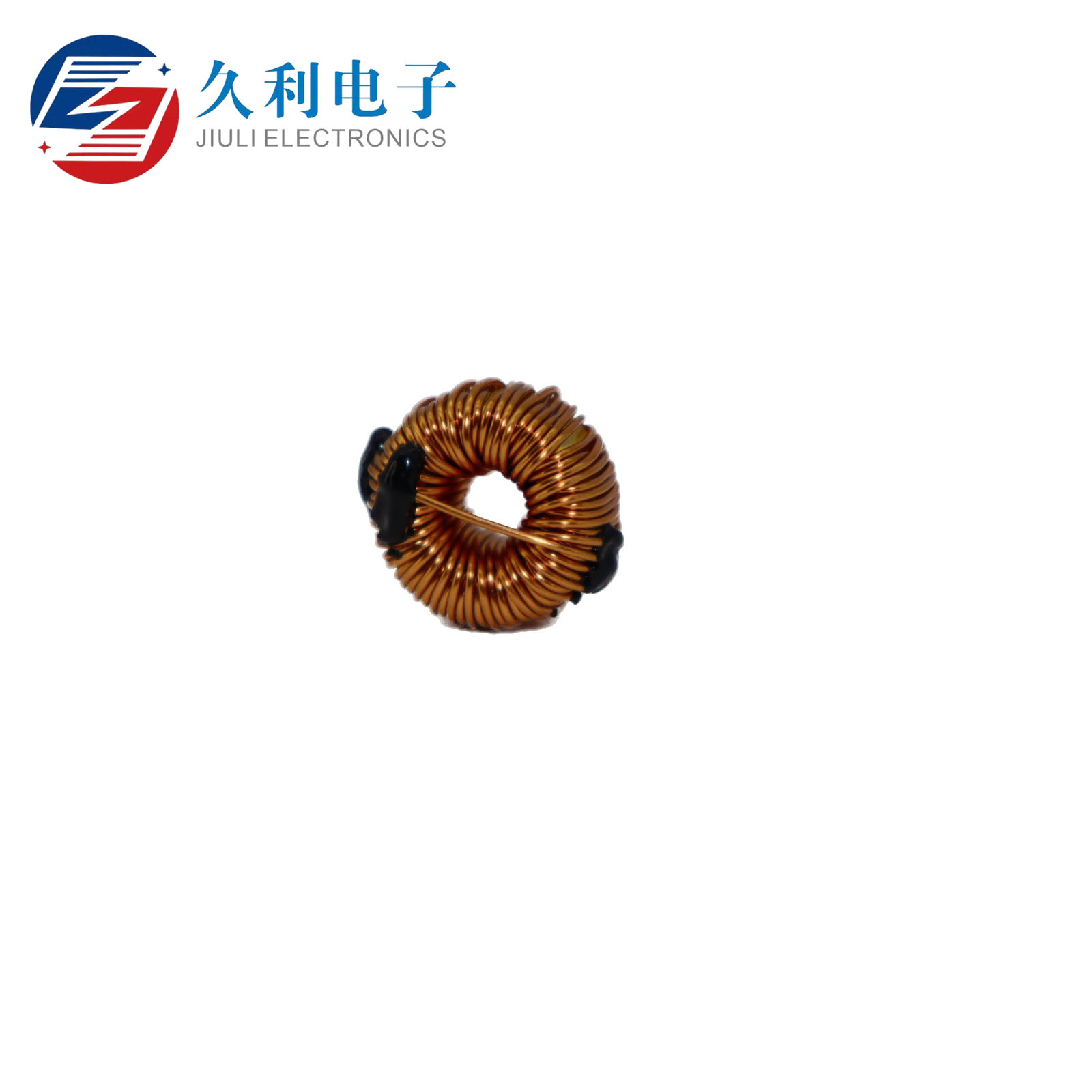
In terms of differential mode inductor design and selection, it is necessary to confirm the parameters such as filter frequency band, inductance, rated current, saturation current, DC impedance, frequency impedance, etc. to ensure that the use requirements are met.