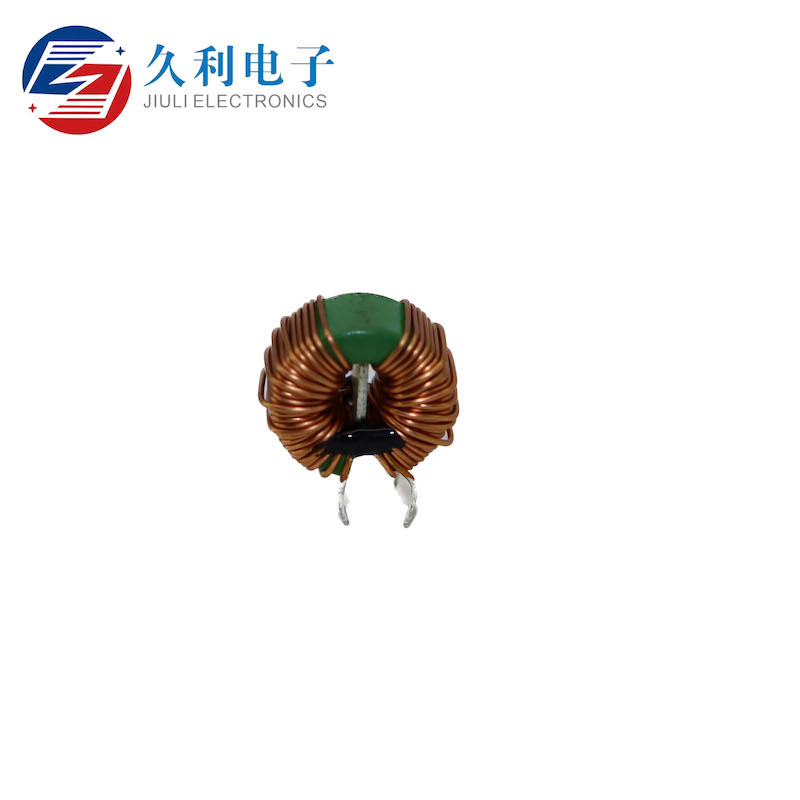
What factors should be considered when customizing common-mode inductors?
When designing a circuit, if the existing common-mode inductor cannot meet the needs, it is necessary to customize the product to ensure that the common-mode inductor meets the circuit's anti-electromagnetic interference and structural layout requirements. When customizing the common-mode inductor, it is necessary to select the appropriate material and product structure based on the actual application scenario, performance parameter requirements, etc. For selection engineers, it is critical to clarify their own needs.
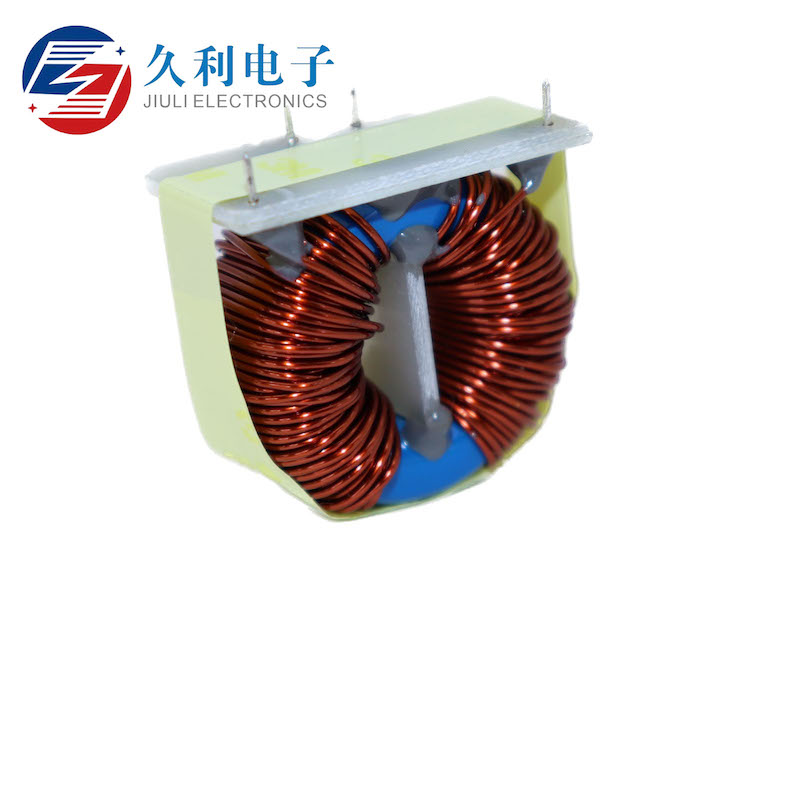
First, let's clarify what common mode inductance is.
Definition: Common mode inductance (Common mode Choke), also known as common mode choke, is a coil with the same number of turns and opposite winding directions on a closed magnetic ring. Its common mode impedance is very large, which has a suppressive effect on common mode interference; while the differential mode impedance is very low, and has basically no suppressive effect on differential mode signals.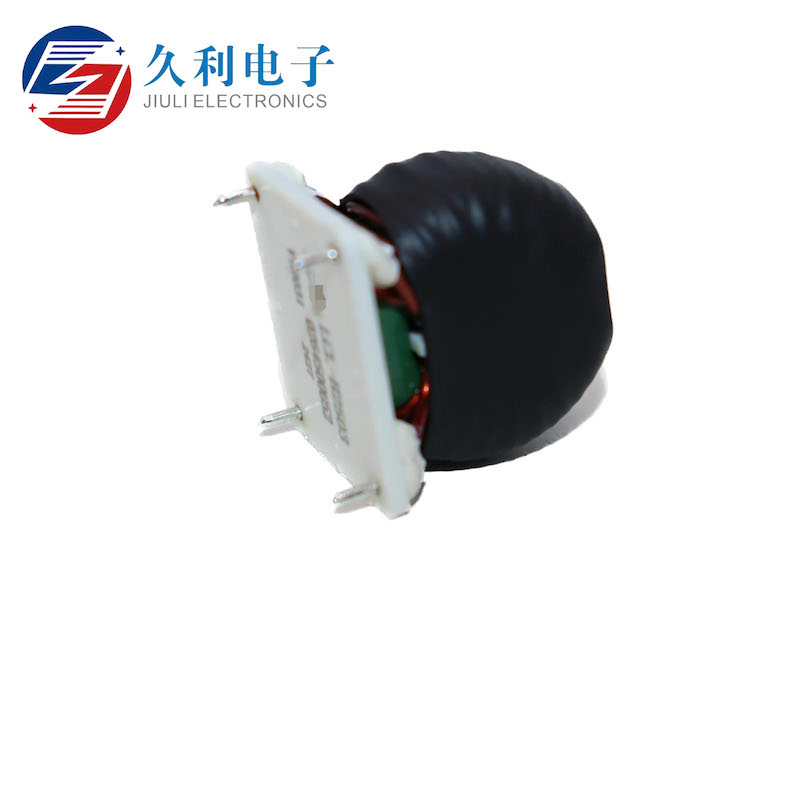
6 steps to customize common-mode inductors
When standard products cannot meet customer needs, common-mode inductors need to be customized. Through the above content, we have figured out the definition, principle and characteristic parameters of common-mode inductors. Next, we will discuss how to customize a suitable common-mode inductor for customers.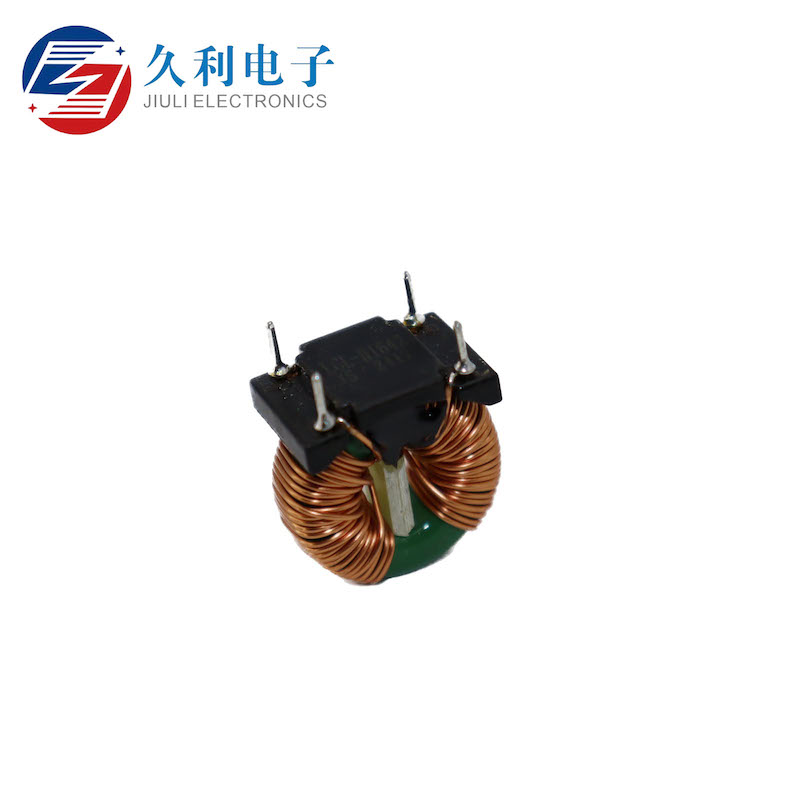
Step 1: Clarify customer demand application scenario analysis: Conduct a comprehensive analysis of the use scenarios of common-mode inductors, including specific application scenarios (determine the product level required by customers-automotive grade or industrial grade), circuit operating voltage, current size, operating frequency, etc., which will directly affect the design and selection of common-mode inductors.
Step 2: Determine the characteristic parameters of common-mode inductors: Inductance is one of the important performance parameters of common-mode inductors and has a direct impact on their application. The required inductance needs to be determined according to the specific application scenario.
Step 3: Choose the right material and product structure. Magnetic core material: The magnetic core is used to enhance the magnetic conductivity of the coil, so that the magnetic induction intensity in the inductor coil increases, thereby increasing the induced current and inductance of the inductor. Usually, materials with high magnetic permeability are selected, such as high-conductivity ferrite, amorphous/nanocrystalline, etc. The choice of magnetic core material has a direct impact on the performance of the inductor, and the appropriate material selection will also reduce the volume of the product accordingly.
Coil material: The coil is usually wound with copper wire. According to the required inductance and effective current value, the number of turns and wire diameter of the selected coil are designed.
Structural design: According to the spatial layout of the customer's circuit board, the vertical/horizontal product structure is reasonably designed, and the plug-in/chip packaging method is selected to ensure that the inductor can be correctly installed on the circuit board.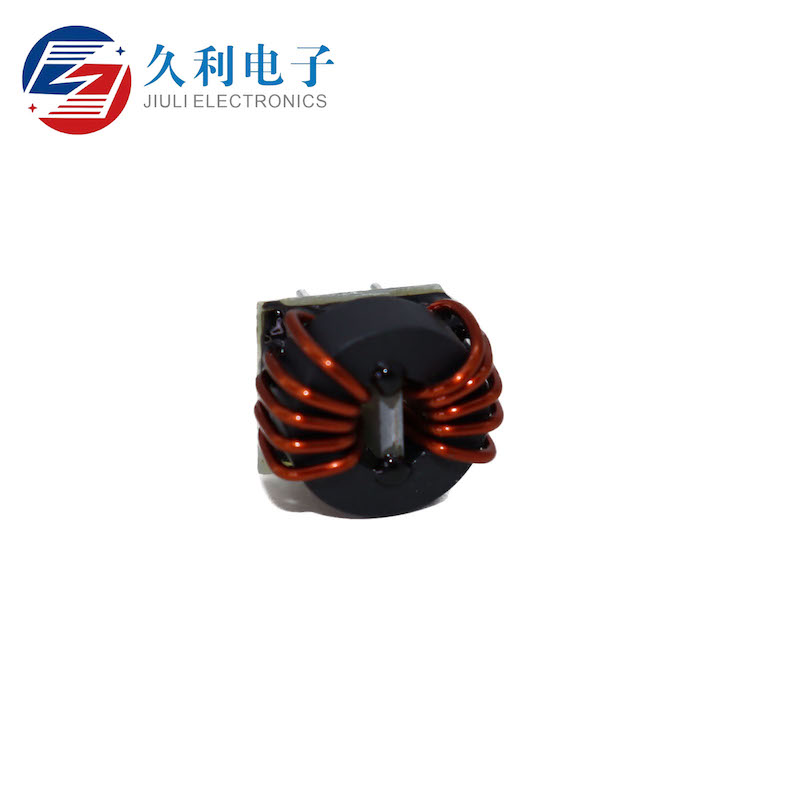
Step 4: Safety standards refer to IEC 60664-1 or the customer's internal standards.
Step 5: Consider environmental factors. The use environment will also affect the electrical performance of the inductor. When customizing common-mode inductors, it is necessary to consider the use environment, such as temperature, humidity, cooling method, etc., to ensure that the common-mode inductors can work stably in actual use.
Step 6: Performance testing and optimization After customization is completed, the common-mode inductor needs to be tested for performance, including testing of parameters such as inductance and impedance. If the test results do not meet the requirements, the design needs to be optimized until it meets the use requirements.