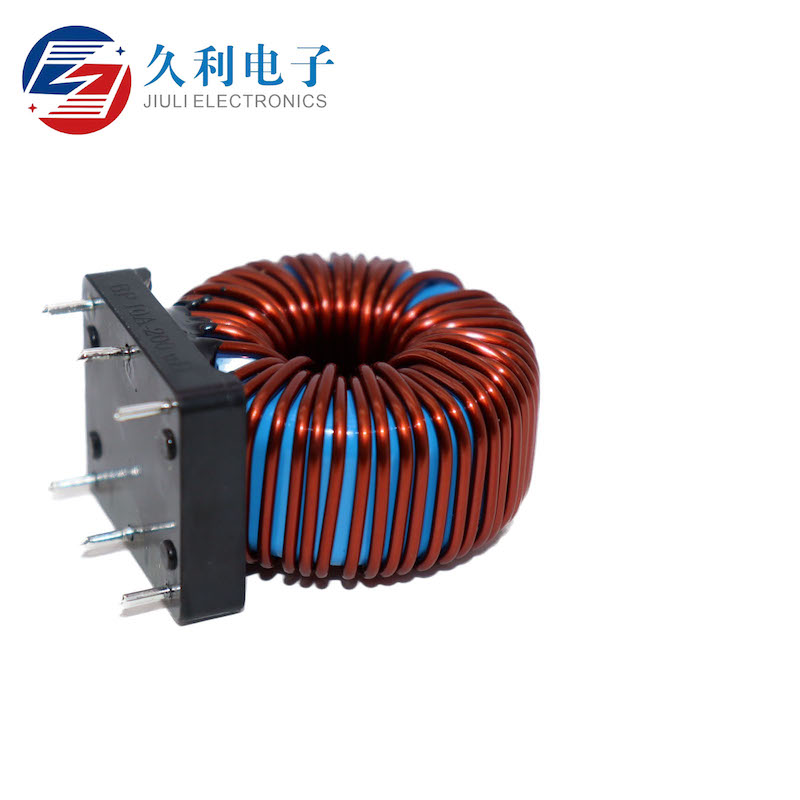
Principles and functions of common mode inductors
Common-mode inductors can play an anti-EMC role in daily use. They are very common and are often used on controllers in industrial production scenarios. They can be used in power supplies and in the anti-EMC aspects of communication circuits.
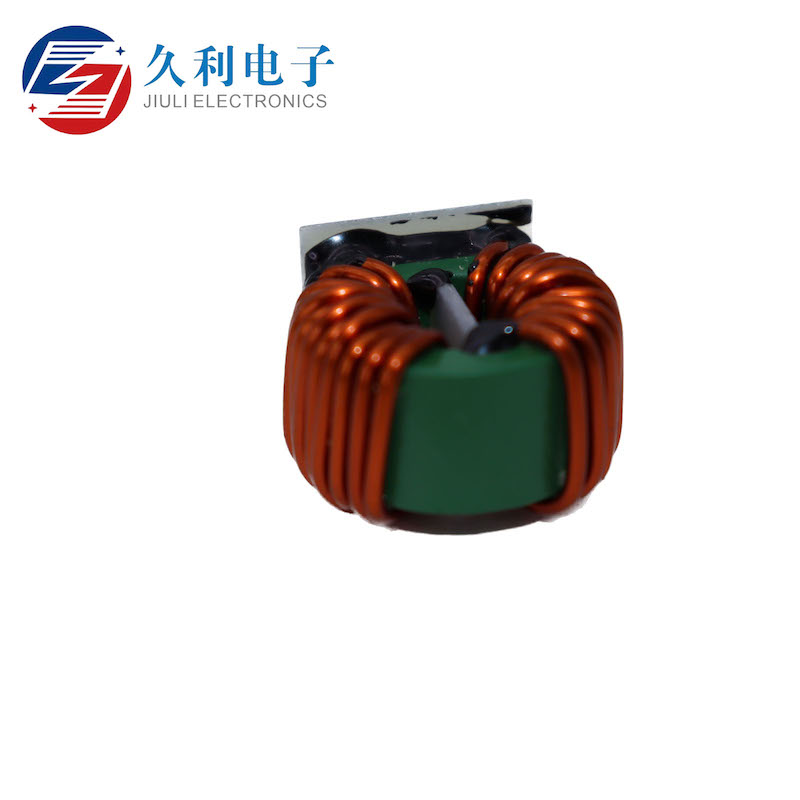
Common-mode inductors are also called common-mode chokes. Common-mode inductors are common-mode interference suppression devices with ferrite as the core. They consist of two coils of the same size and number of turns symmetrically wound on the same ferrite ring core to form a four-terminal device. They have a large inductance to suppress common-mode signals, but have a very small leakage inductance to have almost no effect on differential-mode signals. The principle is that when common-mode current flows through, the magnetic fluxes in the magnetic rings are superimposed on each other, so that there is a considerable inductance, which suppresses the common-mode current. When differential-mode current flows through the two coils, the magnetic fluxes in the magnetic rings cancel each other out, and there is almost no inductance, so the differential-mode current can pass without attenuation. Therefore, common-mode inductors can effectively suppress common-mode interference signals in balanced lines, while having no effect on differential-mode signals normally transmitted on the lines.
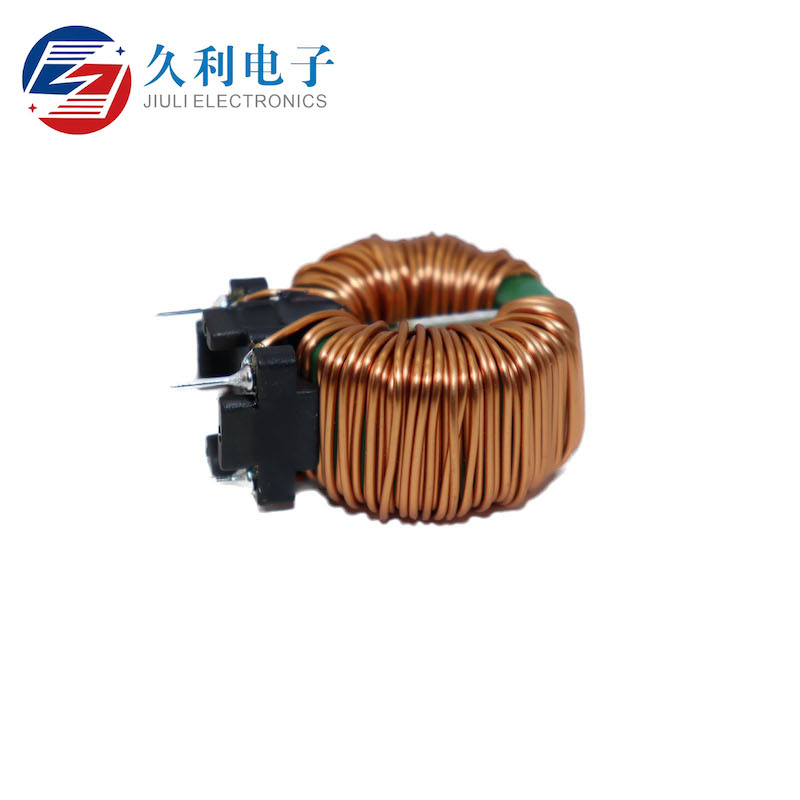
The working principle of common-mode inductors is based on the right-hand screw theorem. When a differential-mode current flows through a common-mode inductor coil, two magnetic fields that cancel each other out are generated. When a common-mode current flows through a common-mode coil, two magnetic fields that reinforce each other are generated, increasing the impedance of the entire coil and attenuating the common-mode current.